
In the quest for radiant, rejuvenated skin, the choice between a Hydrafacial and a traditional facial can be overwhelming. Both treatments promise glowing results, but they do so through different methods and technologies. The Hydrafacial, with its innovative, multi-step process, harnesses advanced hydration and exfoliation techniques, delivering a refreshing experience that many swear by. On the other hand, traditional facials offer a more classic approach, often involving soothing masks, extractions, and massages that have stood the test of time. So, which one truly reigns supreme in the skincare arena? In this article, we’ll delve into the key differences, benefits, and potential outcomes of each treatment. Whether you’re a skincare novice or a seasoned enthusiast, get ready to discover which option can elevate your skincare routine and unveil stunning results that leave your skin feeling revitalized and luminous!
What is a Hydrafacial?
The Hydrafacial is a revolutionary skincare treatment that has gained immense popularity for its ability to deliver immediate and noticeable results. This non-invasive procedure employs a patented technology to cleanse, extract, and hydrate the skin. The process begins with a thorough cleansing and exfoliation, where dead skin cells are gently removed to reveal a fresh layer of skin. Following this, a mild acid peel is applied to loosen dirt and debris from pores without causing any irritation. The next step involves painless, automated extractions using a vacuum-like device that removes impurities from the skin. Finally, the skin is infused with hydrating serums rich in antioxidants, peptides, and hyaluronic acid, leaving it plump and rejuvenated.
One of the unique aspects of the Hydrafacial is its customization. The treatment can be tailored to address specific skin concerns such as fine lines, wrinkles, hyperpigmentation, and acne. This adaptability makes it suitable for a wide range of skin types and conditions. Additionally, the Hydrafacial is known for its gentle approach, making it an excellent option for individuals with sensitive skin who may not tolerate more aggressive treatments. The entire process is quick, typically taking about 30 minutes, and requires no downtime, allowing individuals to resume their daily activities immediately. The technology behind the Hydrafacial sets it apart from traditional skincare treatments. The vortex-fusion delivery system ensures that the skin is deeply cleansed and hydrated, promoting optimal skin health. Moreover, the serums used in the Hydrafacial are specifically formulated to enhance the skin’s natural beauty and resilience. This comprehensive approach not only improves the skin’s appearance but also boosts its overall health, making the Hydrafacial a go-to treatment for those seeking long-lasting results
Benefits of Hydrafacials
One of the most significant benefits of Hydrafacials is the instant gratification they provide. Unlike other treatments that may require multiple sessions to see results, the Hydrafacial delivers visible improvements after just one session. Clients often notice a more radiant and youthful complexion immediately, with smoother texture and a more even tone. This makes it an ideal choice for special occasions or events where you want to look your best.
Hydrafacials also offer a comprehensive solution to various skin concerns. The treatment’s multi-step process addresses multiple aspects of skin health, from cleansing and exfoliation to hydration and protection. This holistic approach ensures that the skin is not only treated for existing issues but also fortified to prevent future problems. The hydrating serums used in the final step are packed with beneficial ingredients that nourish the skin, enhance its elasticity, and combat the signs of aging. Another notable advantage of Hydrafacials is their suitability for all skin types. Whether you have oily, dry, sensitive, or combination skin, the customizable nature of the treatment ensures that it can be adapted to meet your specific needs. This versatility, combined with the pain-free and quick nature of the procedure, makes it accessible to a broad audience. Moreover, the lack of downtime means that you can enjoy the benefits of a Hydrafacial without any inconvenience, making it easy to incorporate into a busy lifestyle.
What are Traditional Facials?
Traditional facials have been a cornerstone of skincare routines for decades, offering a range of treatments designed to improve the skin’s health and appearance. These facials typically involve a series of steps, starting with a thorough cleansing to remove makeup, dirt, and impurities. This is followed by exfoliation, which helps to slough off dead skin cells and reveal a fresher layer of skin. Extractions may be performed to clear clogged pores and reduce the occurrence of breakouts. The treatment usually concludes with the application of masks, serums, and moisturizers tailored to the client’s skin type and concerns.
One of the key elements of traditional facials is the use of manual techniques. Skilled estheticians employ various massage methods to stimulate blood circulation, promote lymphatic drainage, and enhance the absorption of skincare products. This hands-on approach not only improves the skin’s condition but also provides a relaxing and therapeutic experience. The tactile nature of traditional facials is often appreciated by clients who enjoy the soothing touch of a professional.
Traditional facials can be highly customized to address specific skin issues. Whether you are dealing with acne, dryness, dullness, or signs of aging, there is a facial treatment designed to target your unique concerns. Ingredients used in traditional facials range from natural botanicals and essential oils to advanced skincare formulations, offering a wide array of options to suit different preferences and skin needs. This adaptability and variety make traditional facials a versatile choice in the realm of skincare.
Benefits of Traditional Facials
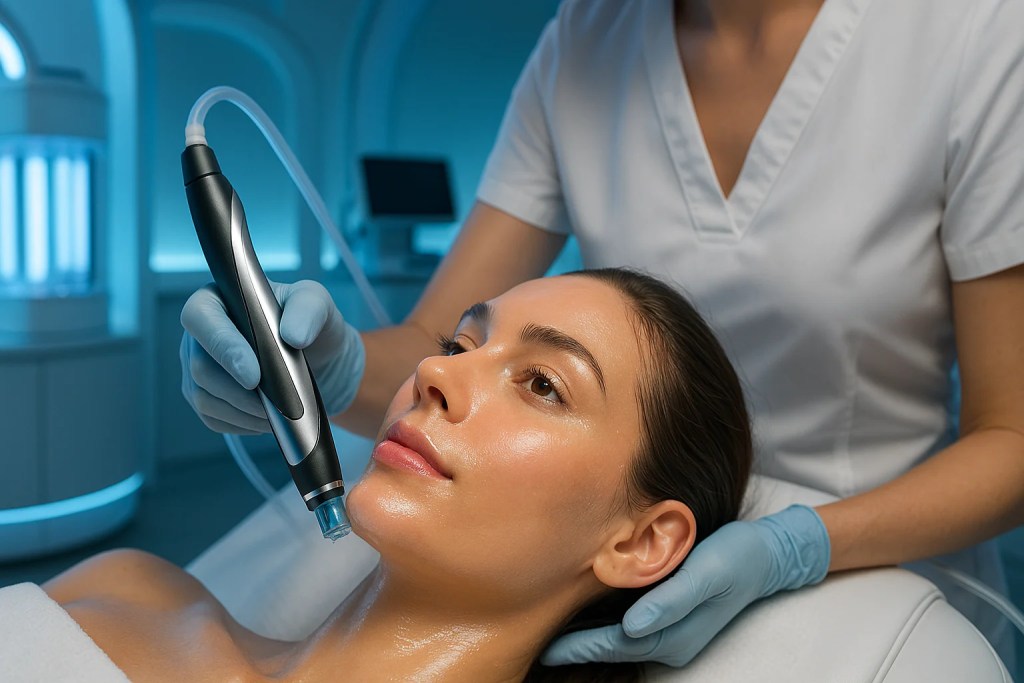
One of the most compelling benefits of traditional facials is the deep relaxation they offer. The combination of cleansing, exfoliation, and massage techniques provides a spa-like experience that not only improves the skin’s appearance but also promotes mental well-being. The calming environment and soothing touch of the esthetician can help reduce stress and tension, making traditional facials a popular choice for those seeking both beauty and relaxation.
Traditional facials also provide a thorough and deep cleansing of the skin. The manual extractions performed during these facials help to clear out clogged pores and reduce the risk of breakouts. This is particularly beneficial for individuals with acne-prone skin, as regular facials can help keep the skin clear and prevent future blemishes. Additionally, the exfoliation step removes dead skin cells, allowing for better absorption of skincare products and leaving the skin smoother and more radiant. Another advantage of traditional facials is their ability to be tailored to individual skin concerns. Estheticians can customize the treatment based on the client’s skin type and specific issues, using targeted products and techniques to address problems such as dryness, oiliness, sensitivity, or aging. This personalized approach ensures that each client receives a facial that meets their unique needs, resulting in optimal skin health and appearance. The variety of treatments available within the realm of traditional facials means that there is something for everyone, regardless of their skin condition or goals.
Key Differences Between Hydrafacials and Traditional Facials
One of the primary differences between Hydrafacials and traditional facials lies in the technology and techniques used. Hydrafacials employ advanced machinery and a patented vortex-fusion delivery system to cleanse, extract, and hydrate the skin. This technology-driven approach allows for a more thorough and consistent treatment, with the added benefit of being painless and non-invasive. In contrast, traditional facials rely on manual methods performed by estheticians, which can vary in effectiveness based on the skill and experience of the practitioner.
Another key difference is the level of customization offered by each treatment. While both Hydrafacials and traditional facials can be tailored to address specific skin concerns, the Hydrafacial’s use of targeted serums and adjustable settings allows for a highly personalized experience. This precision ensures that the treatment is perfectly suited to the client’s skin type and issues, resulting in optimal outcomes. Traditional facials also offer customization, but the range of options may be more limited compared to the high-tech capabilities of a Hydrafacial. The experience and results of Hydrafacials and traditional facials can also differ significantly. Hydrafacials are known for their quick, efficient process that delivers immediate, visible results. Clients often leave with a noticeable improvement in their skin’s texture, tone, and hydration levels. Traditional facials, on the other hand, provide a more leisurely and indulgent experience, with the additional benefit of relaxation and stress relief. The results of traditional facials may not be as immediate but can be equally effective over time with regular treatments.
Skin Types and Treatment Recommendations
When it comes to selecting the right facial treatment, understanding your skin type is crucial. Hydrafacials are particularly well-suited for individuals with sensitive skin or those prone to irritation. The gentle, non-invasive nature of the treatment, combined with the customizable serums, makes it a safe and effective option for a variety of skin conditions. Those with issues such as fine lines, wrinkles, hyperpigmentation, and mild acne can benefit greatly from the Hydrafacial’s targeted approach.
For individuals with oily or acne-prone skin, traditional facials can offer significant benefits. The deep cleansing and manual extractions performed during these facials help to clear out clogged pores and reduce the occurrence of breakouts. Additionally, traditional facials can be tailored to include products and techniques that specifically address excess oil production and acne. Regular treatments can help maintain clearer skin and prevent future blemishes. Dry and mature skin types can also benefit from both Hydrafacials and traditional facials, although the choice may depend on personal preference and specific skin concerns. Hydrafacials provide intense hydration and nourishment, making them an excellent option for combating dryness and signs of aging. Traditional facials, with their focus on massage and the use of rich, moisturizing products, can also be highly effective in revitalizing dry and aging skin. Ultimately, the decision between the two treatments should be based on individual skin needs, desired outcomes, and personal preferences.
Cost Comparison: Hydrafacial vs Traditional Facials
When considering the cost of Hydrafacials versus traditional facials, it’s important to take into account the value and results each treatment offers. Hydrafacials tend to be on the higher end of the price spectrum, with costs ranging from $150 to $300 per session, depending on the location and the specific treatments included. This higher cost is often justified by the immediate and noticeable results, as well as the advanced technology and high-quality serums used in the process.
Traditional facials, on the other hand, can vary widely in price, with basic treatments starting as low as $50 and more luxurious options going up to $200 or more. The cost can depend on factors such as the spa’s reputation, the experience of the esthetician, and the specific products and techniques used. While traditional facials may be more affordable, it’s important to consider the frequency of treatments needed to maintain results. Regular sessions may be required to achieve and sustain the desired outcomes, potentially increasing the overall cost over time. Ultimately, the decision between Hydrafacials and traditional facials should not be based solely on cost. It’s essential to weigh the benefits, results, and personal preferences when choosing the right treatment for your skin. Investing in a higher-priced Hydrafacial may be worthwhile for those seeking immediate, dramatic improvements, while traditional facials can offer excellent value for those who enjoy a relaxing and customizable skincare experience. Considering your individual skin needs and goals will help determine which treatment provides the best return on investment.
Expert Opinions: What Professionals Say
Skincare professionals and dermatologists often have strong opinions on the merits of both Hydrafacials and traditional facials. Many experts praise the Hydrafacial for its innovative technology and ability to deliver consistent, high-quality results. The treatment’s non-invasive nature and lack of downtime are also highlighted as significant advantages. Dermatologists often recommend Hydrafacials for patients with specific skin concerns such as fine lines, wrinkles, and hyperpigmentation, as the targeted serums can effectively address these issues.
Estheticians and spa professionals, while also recognizing the benefits of Hydrafacials, often emphasize the importance of traditional facials for overall skin health and relaxation. The hands-on techniques used in traditional facials, such as massage and manual extractions, are valued for their ability to stimulate circulation, promote lymphatic drainage, and provide a deeply relaxing experience. Professionals in the field often recommend traditional facials for clients who enjoy the therapeutic aspects of the treatment and appreciate the personalized touch of an experienced esthetician.
Ultimately, the consensus among skincare experts is that both Hydrafacials and traditional facials have their place in a comprehensive skincare routine. The choice between the two treatments should be based on individual skin needs, preferences, and lifestyle. For those seeking quick, visible results with minimal downtime, the Hydrafacial is often the preferred option. On the other hand, individuals who value a relaxing and customizable experience may find traditional facials to be more satisfying. Consulting with a trusted skincare professional can provide valuable insights and help determine the best treatment for your unique skin concerns.
Conclusion: Choosing the Right Facial for You
In the quest for stunning, radiant skin, both Hydrafacials and traditional facials offer unique benefits and can play a valuable role in your skincare routine. The Hydrafacial’s advanced technology and multi-step process provide immediate, noticeable results, making it an excellent choice for those seeking a quick and effective treatment. Its non-invasive nature and customizable approach ensure that it can address a wide range of skin concerns, from fine lines and wrinkles to hyperpigmentation and mild acne.
Traditional facials, with their emphasis on manual techniques and personalized care, offer a deeply relaxing and therapeutic experience. The variety of treatments available within the realm of traditional facials allows for tailored solutions to specific skin issues, whether it’s acne, dryness, or signs of aging. The hands-on approach of skilled estheticians can enhance the skin’s health and appearance while providing a soothing escape from daily stress.
Ultimately, the decision between a Hydrafacial and a traditional facial should be based on your individual skin needs, preferences, and goals. Both treatments have their strengths and can deliver stunning results when performed by experienced professionals. Whether you opt for the high-tech, instant gratification of a Hydrafacial or the classic, indulgent experience of a traditional facial, you can achieve the radiant, rejuvenated skin you desire. Consulting with a skincare expert can provide personalized recommendations and help you make an informed choice that elevates your skincare routine and leaves your skin feeling revitalized and luminous.